Master Certified Arborist services in Summerfield or Greensboro, NC for trees showing decline, structural risk, or unexplained health loss
Dillard's Tree Service LLC provides Master Certified Arborist services for homeowners and property managers who need expert-level tree diagnostics, risk evaluation, and treatment planning. When a tree drops branches without obvious cause, when leaves yellow in patterns that don't match seasonal change, or when you're preparing a property report that requires certified documentation, you're working with conditions that go beyond general maintenance. A Master Certified Arborist holds the highest credential available through the International Society of Arboriculture, requiring years of field experience, advanced testing, and ongoing education in tree biology, pathology, soil science, and structural mechanics.
This level of certification means the arborist can identify pest infestations in early stages, distinguish between root damage and fungal infection, assess whether a leaning trunk poses immediate danger, and provide written reports that meet insurance and municipal standards. The work often begins with a detailed inspection that includes soil testing, canopy evaluation, and examination of root flare and bark condition. You receive a written assessment that explains what's happening beneath the visible symptoms, what interventions are warranted, and what timeline you're working with if the tree is in decline.
If your trees aren't responding to standard care or you need documentation for a legal or insurance matter, reach out to discuss how a certified evaluation can clarify your options.
What a Master Certified Arborist Evaluates and Documents
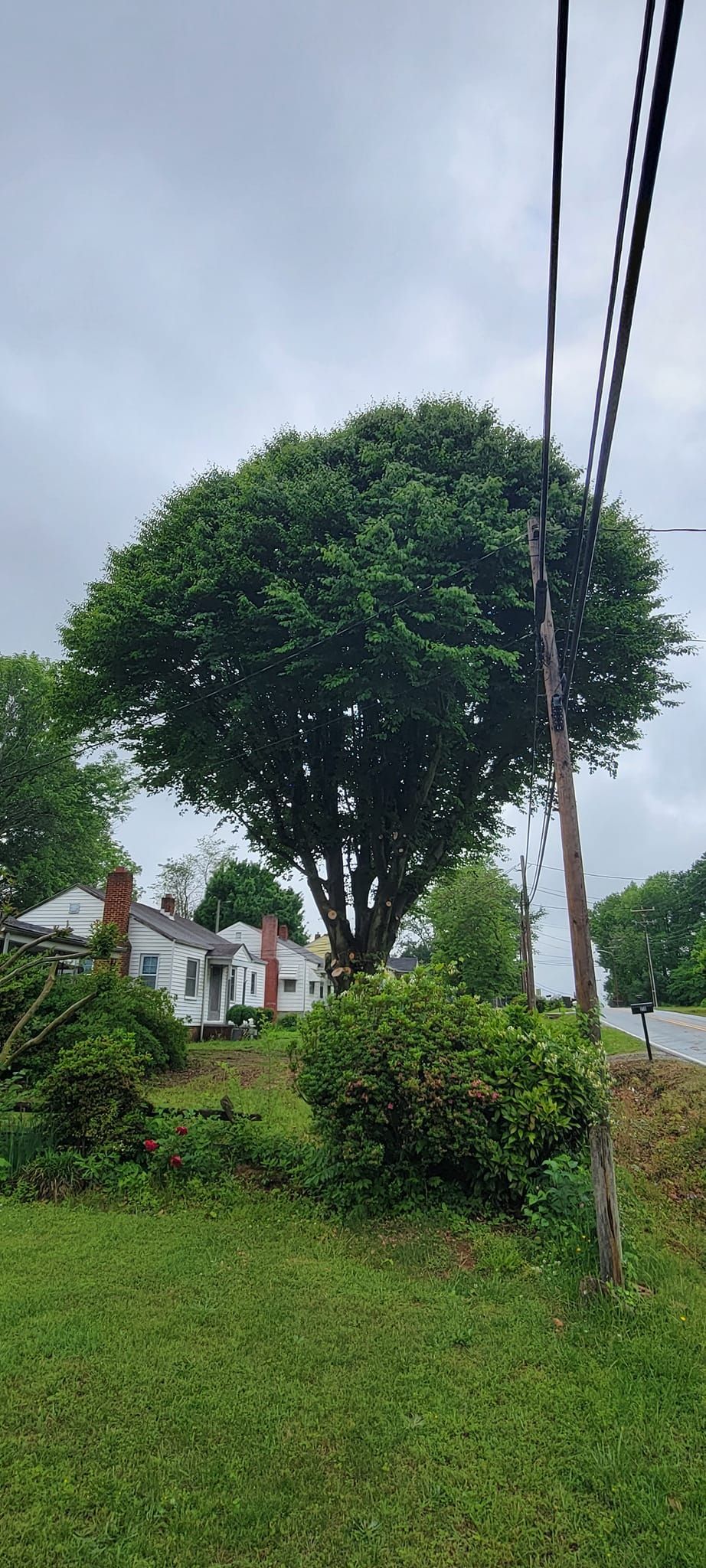
When you schedule a consultation, the arborist examines not only the visible canopy but also trunk structure, root collar exposure, soil compaction, and any signs of decay or pest activity. This includes using tools like resistograph drills to measure internal wood density, moisture meters to detect hidden rot, and soil probes to check drainage and root health. The assessment distinguishes between cosmetic issues and structural failures that could lead to property damage or personal injury.
After the evaluation, you'll notice a clear understanding of whether the tree can recover, what treatments are needed, and how long those treatments take to show results. Dillard's Tree Service LLC provides written reports that include species identification, condition ratings, and photos with annotations. These documents are often required for permit applications, property transactions, or disputes with neighbors or municipalities. You'll know whether pruning, cabling, soil amendment, or removal is the appropriate next step, and you'll have a timeline for each option.
The arborist also evaluates risks that aren't immediately obvious, such as co-dominant stems that may split under load, girdling roots that strangle the trunk over time, or decay pockets hidden behind intact bark. The evaluation includes recommendations for monitoring intervals, so you're not guessing when to check back or when a situation has become urgent. This level of detail is especially useful when planning construction near existing trees, managing heritage specimens, or preparing for storm season.
Questions About Arborist Certification and Tree Assessments
Homeowners often ask how this service differs from a standard tree inspection and what situations require a Master Certified Arborist rather than a general tree care provider.
- What does Master Certified Arborist certification require? It requires passing both the Certified Arborist exam and a separate advanced credential exam, along with at least three years of field experience and annual continuing education in tree biology, risk assessment, and urban forestry practices.
- When should you request a certified arborist evaluation? You should request one when a tree shows unexplained decline, when you need documentation for insurance or legal purposes, when planning construction near roots, or when assessing whether a tree poses a hazard to structures or power lines.
- How does the arborist measure internal decay? The arborist uses a resistograph, which drills a thin needle into the trunk and measures resistance to detect hollow pockets, decay columns, or weakened wood that isn't visible from the outside.
- What information appears in the written report? The report includes species name, diameter measurements, condition ratings for roots, trunk, and canopy, photos of defects or hazards, treatment recommendations, and a risk assessment based on target zones and likelihood of failure.
- Why does local soil composition matter in tree health? Soil drainage, compaction, and pH directly affect root growth and nutrient uptake, and recommendations in Summerfield or Greensboro, NC often include soil amendments or changes to irrigation practices based on site-specific testing results.
If you're dealing with a tree that's shown sudden change, or if you need a professional opinion that holds up in formal review, contact Dillard's Tree Service LLC to schedule a certified evaluation and receive a detailed report you can act on with confidence.